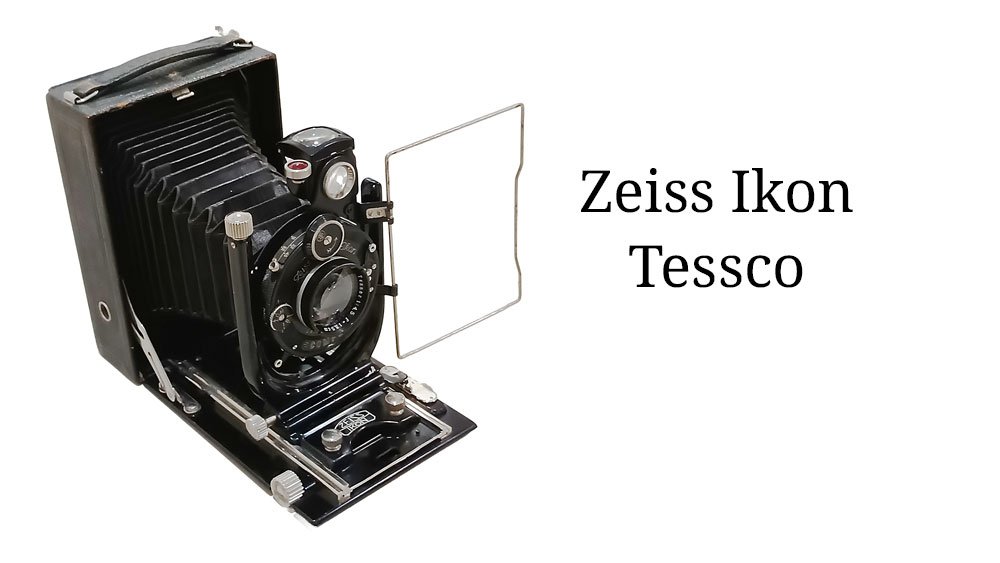
Zeiss Ikon Tessco: Experiencing the Charm of a Classic Folding Camera
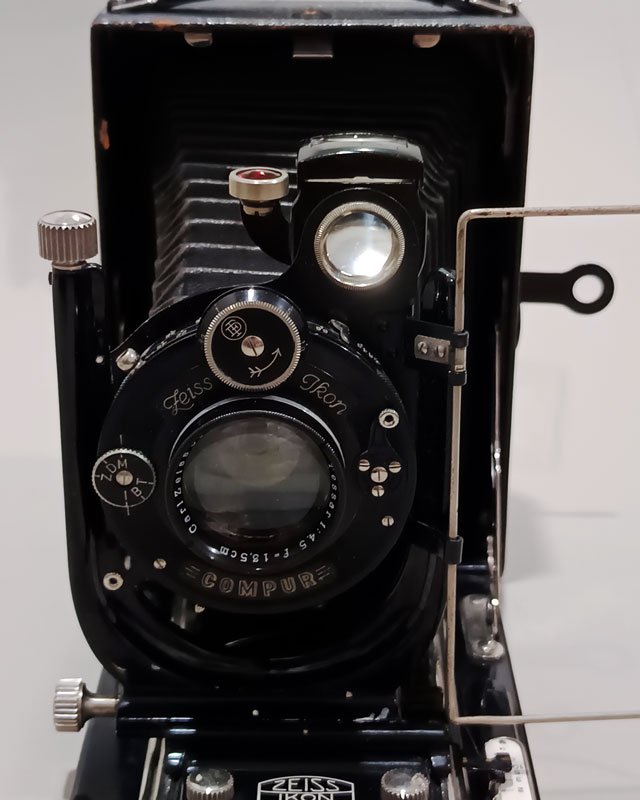
When discussing classic German pre-WWII folding cameras, Zeiss Ikon stands out as a legendary brand. Featured here is the Zeiss Ikon Tessco, a large-format (9x12 cm) bellows plate camera showcasing the exquisite craftsmanship of the 1920s–1930s.
1. History of the Tessco Model and Corporate Mergers
- 1913: The Tessco was originally designed and launched as a plate camera by Contessa.
- 1919: Contessa merged to become Contessa-Nettel.
- Late 1926: In a major turning point, major German camera manufacturers—including Contessa-Nettel and ICA—merged to form Zeiss Ikon.
- As a result, popular existing models like the Tessco were rebranded under the Zeiss Ikon Tessco name and immediately listed in the new company's inaugural catalogs.
2. Why Conclude It Was Assembled in 1927?
- Final Production Year: Historical records show that the Zeiss Ikon Tessco (9x12 cm plate format) was discontinued and removed from catalogs in 1927.
- Lens Serial Number: The Carl Zeiss Jena lens features a serial number clearly dating its production to 1927.
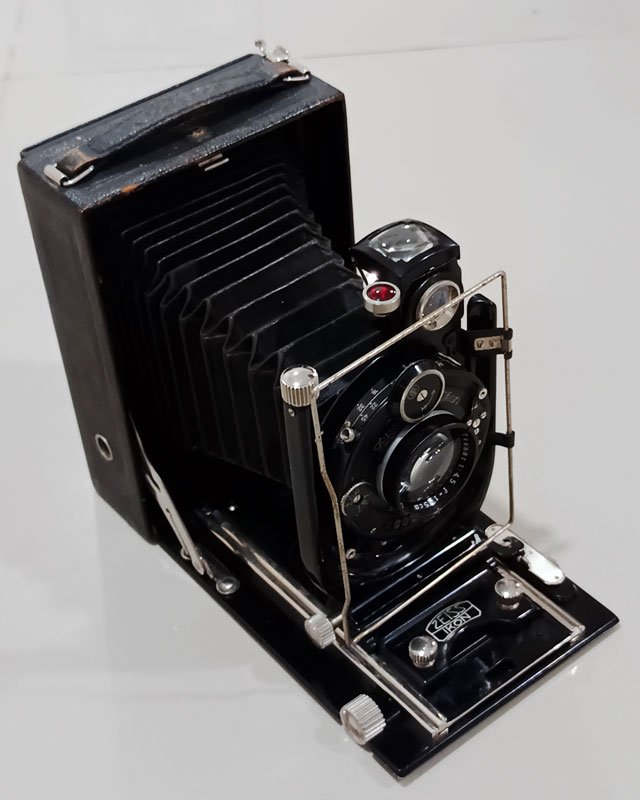
- Factory Assembly: To produce the final batch of Tessco cameras for market release in 1927, the factory paired newly produced 1927 Tessar lenses with Compur (Dial-set) shutters from existing stock. Although the shutter design and model code originated in 1912–1913, its mechanism and spare parts remained standard factory components throughout the 1920s.
Therefore, this camera is not a modern aftermarket modification, but an Original Factory Assembly by Zeiss Ikon from 1927. It represents a rare and highly collectible transitional model marking the end of the Tessco line.
Key Features and Specifications

-
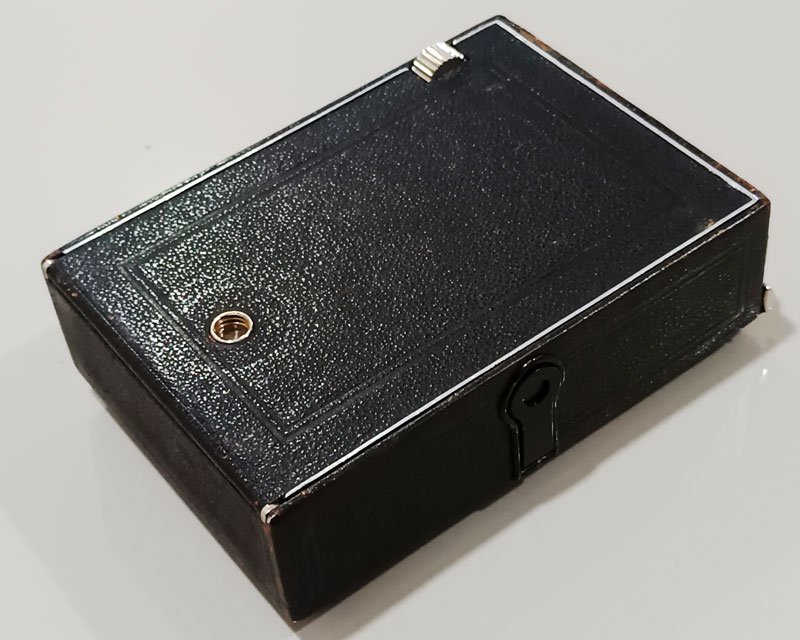
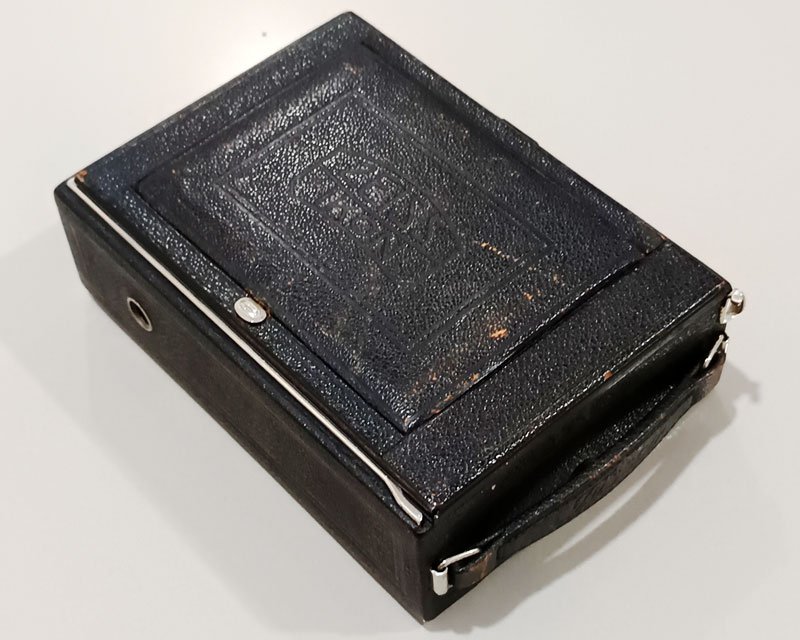
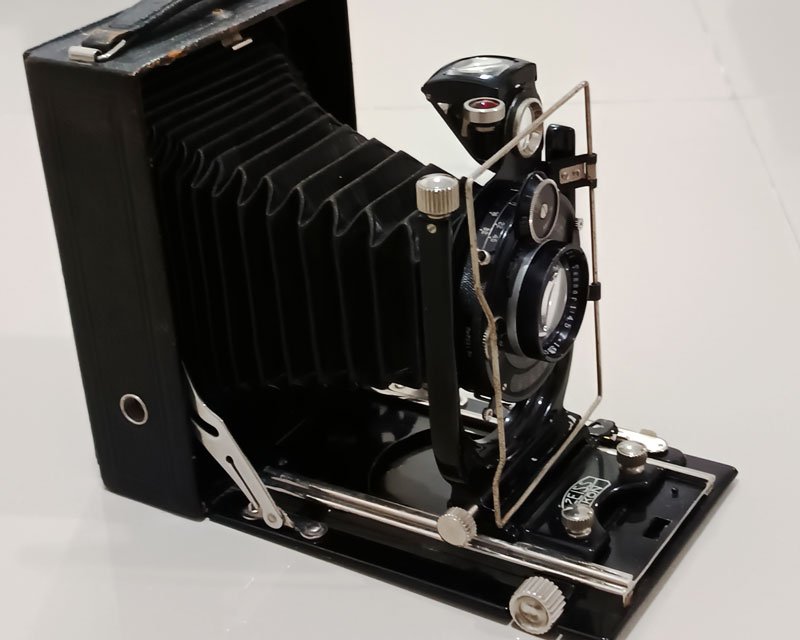
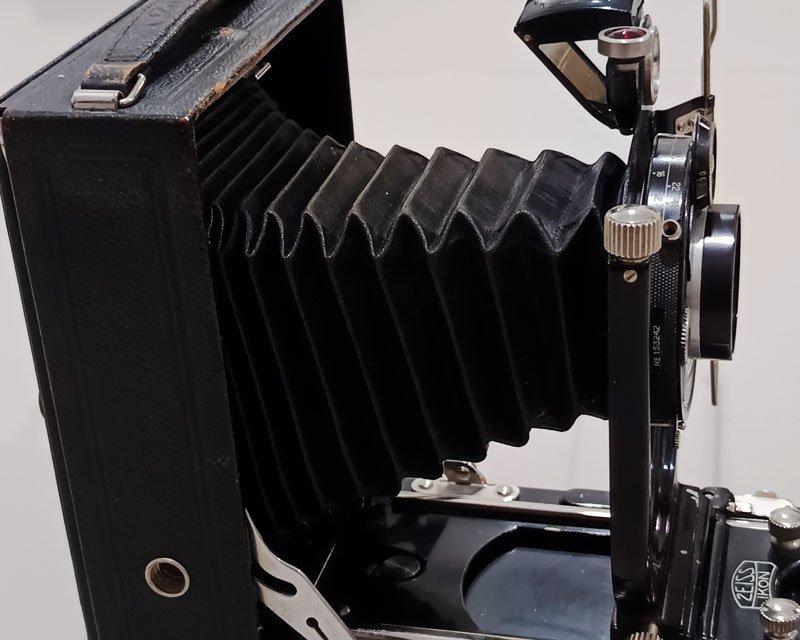
Folding Mechanism & Body: Metal body covered in black leather, featuring a top leather strap clearly embossed with the "Tessco" model name.
-
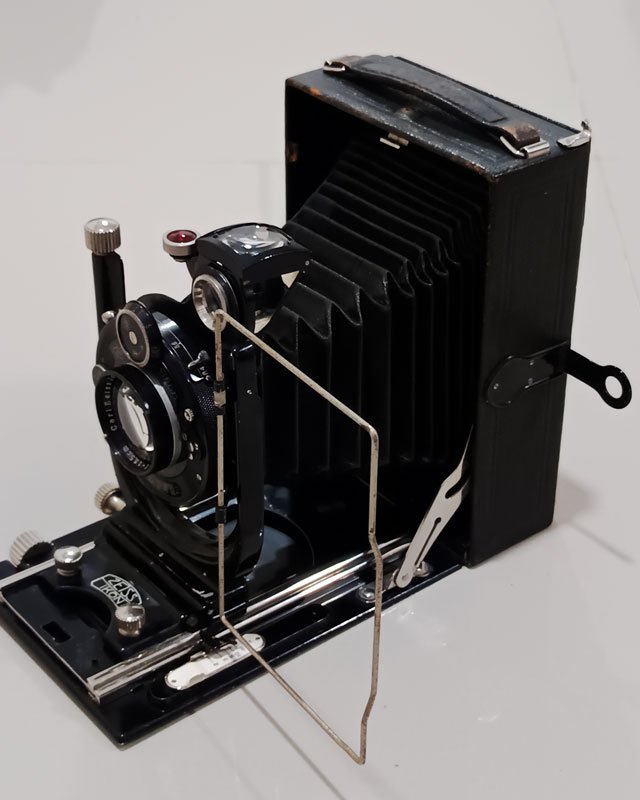
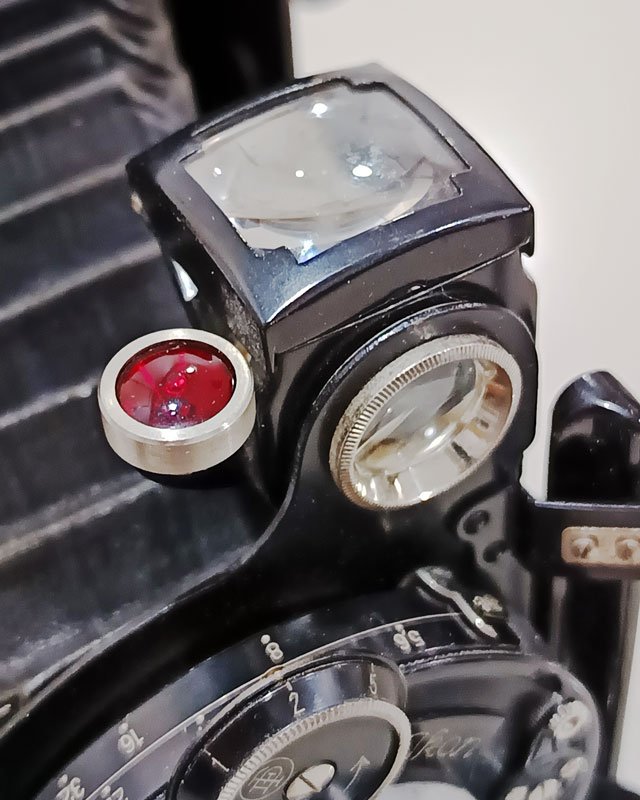
Viewfinders: Equipped with three viewfinder options:
-
-
Folding wire frame finder on the side
-
Brilliant finder (small waist-level prism finder)
-
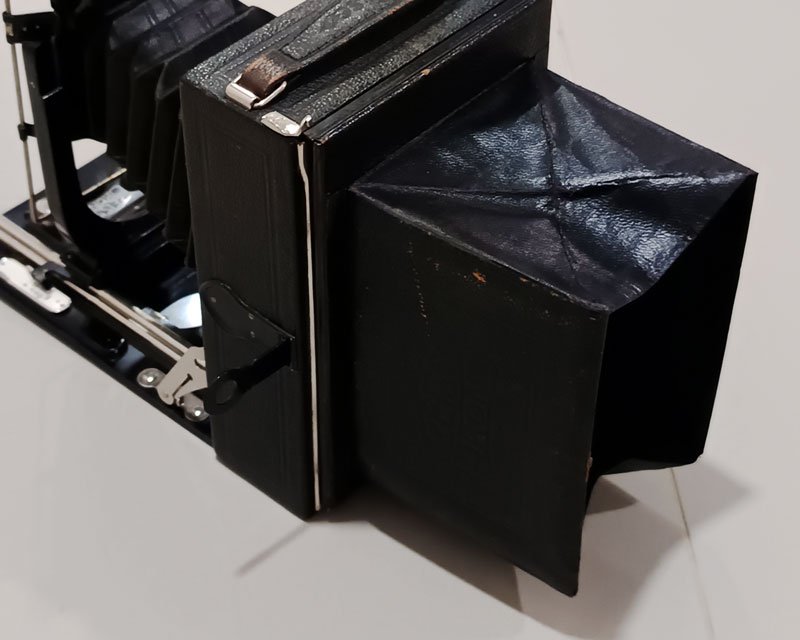
Direct through-the-lens focusing via a rear ground glass screen with a protective cover
-
-
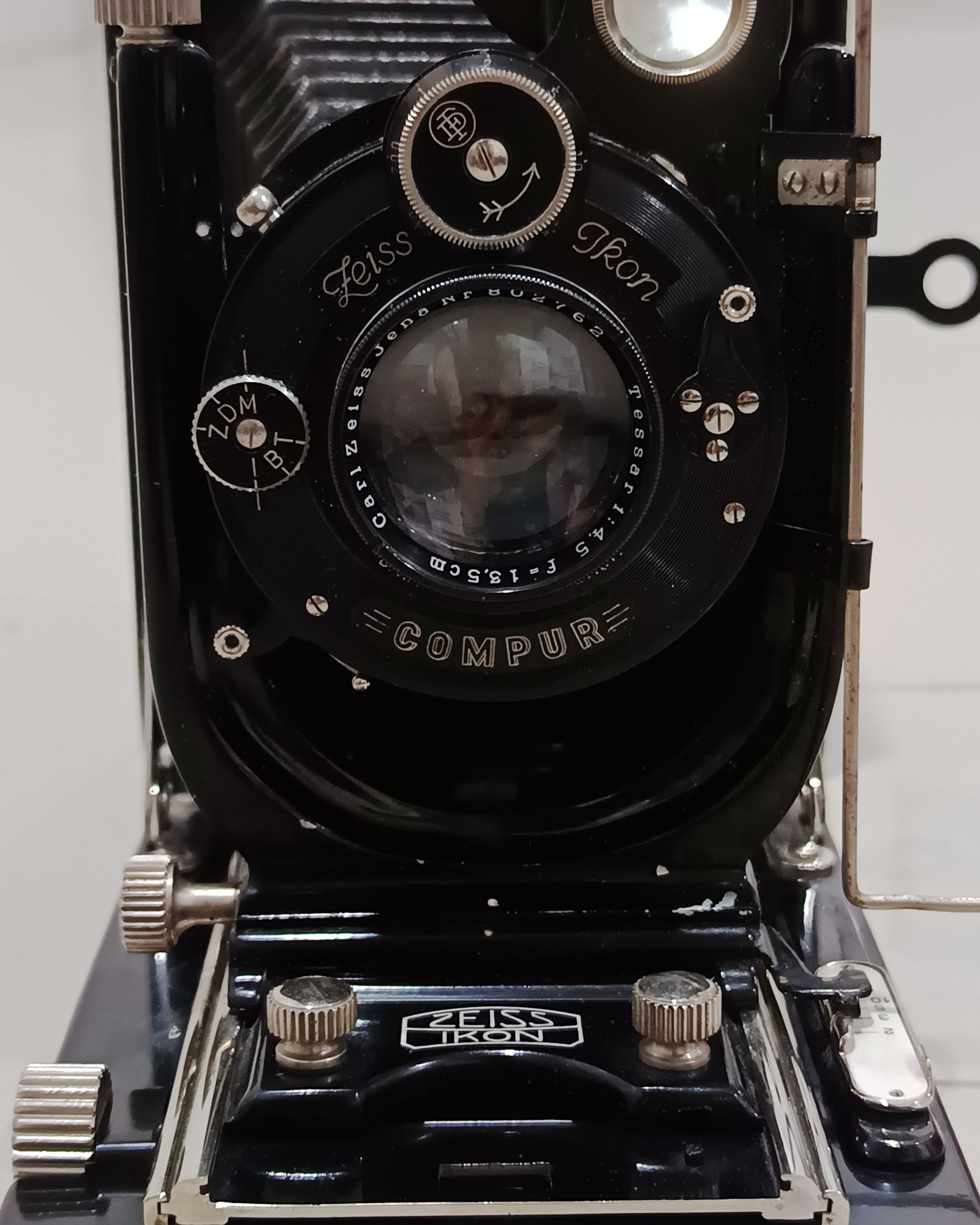
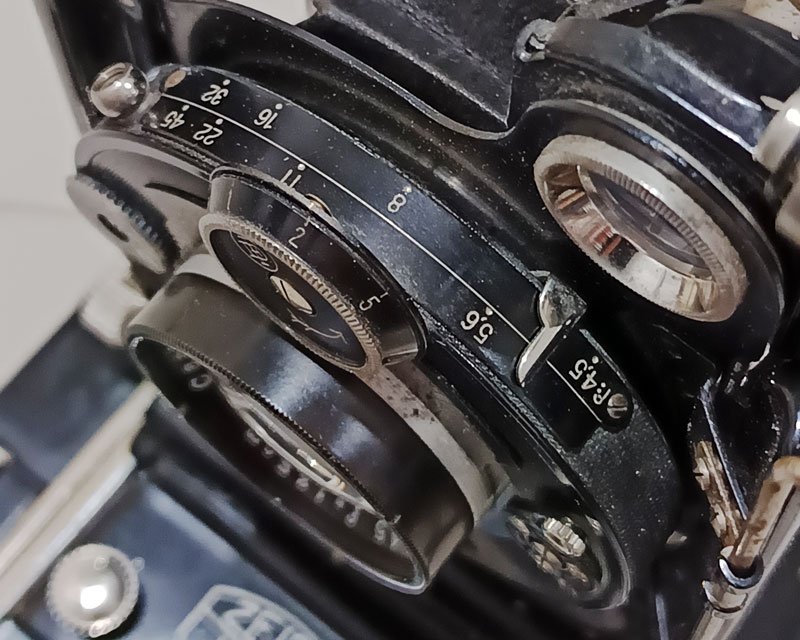
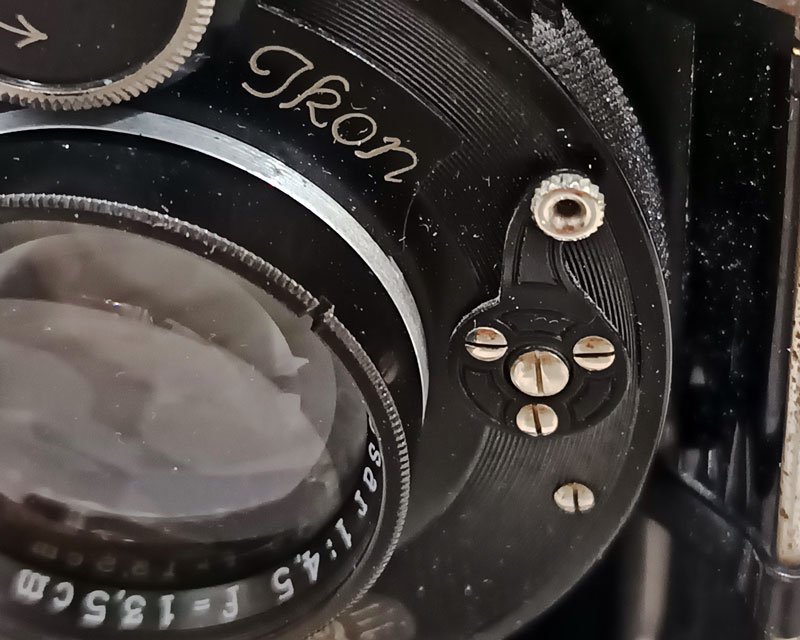
Lens: Carl Zeiss Jena Tessar 1:4.5 f=13.5cm (Serial No. 802762), delivering the signature sharpness of the famous "Eagle Eye" Tessar design.
-
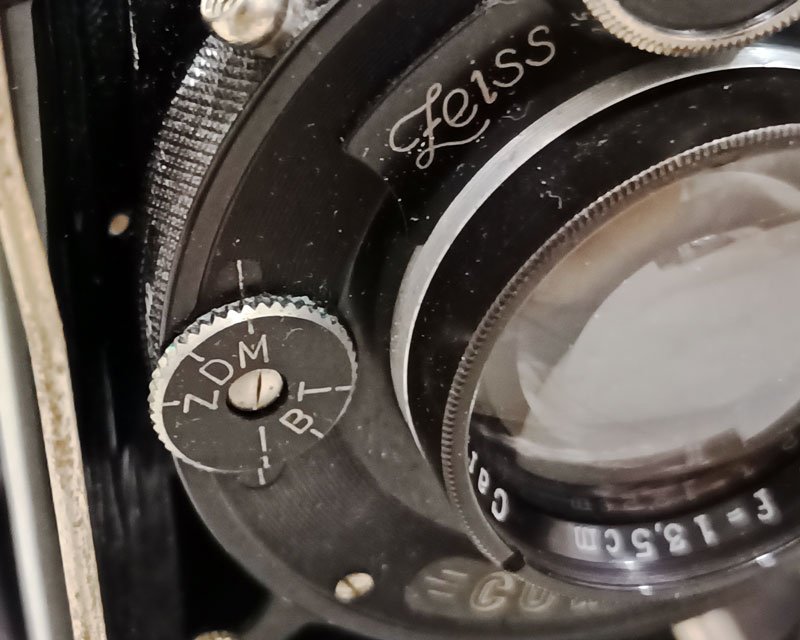
Shutter: COMPUR mechanical shutter offering high precision, a wide range of speeds, B and T modes, and self-timer settings (Z/D/M).
-
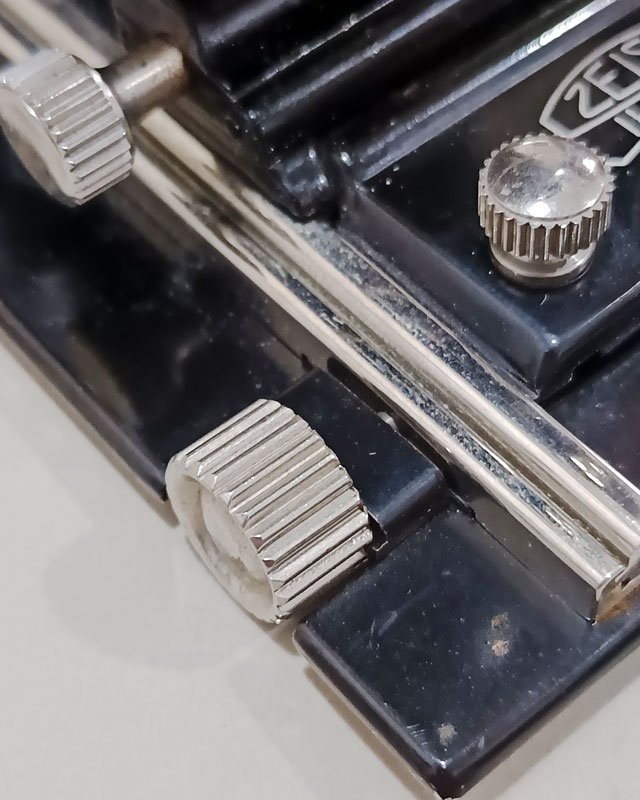
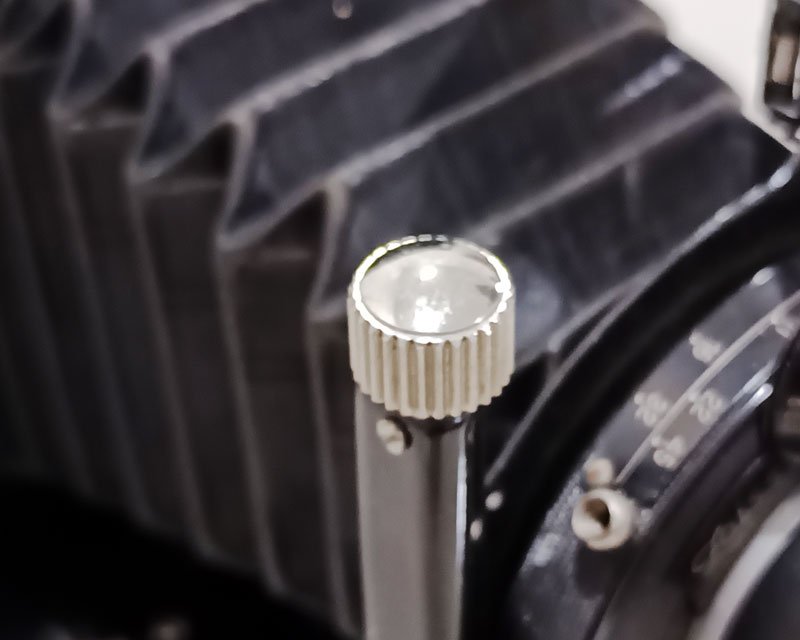
Focusing & Perspective Control: Dual rack-and-pinion knobs at the base of the lens standard for smooth focusing, paired with Rise/Fall (vertical) and Shift (lateral) movements to correct perspective in architectural photography.

Field Test Performance
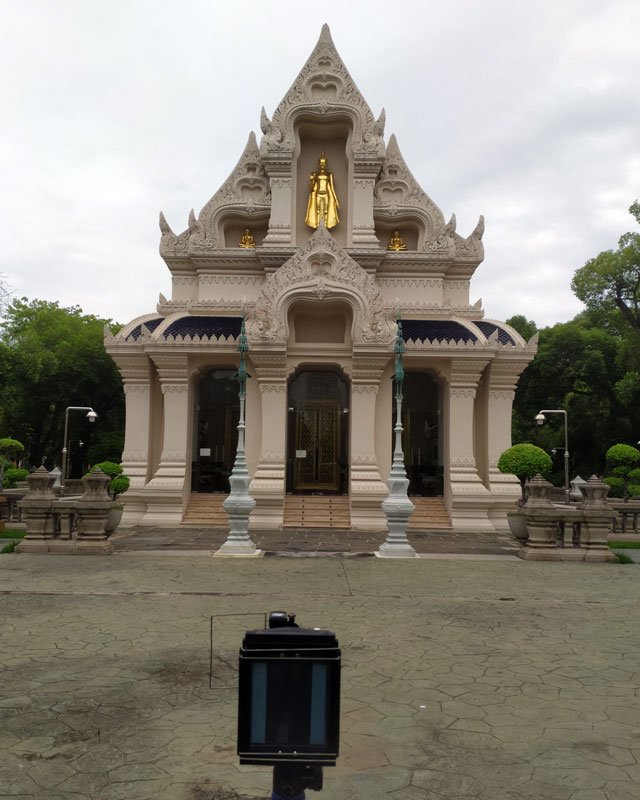
The Zeiss Ikon Tessco was taken into the field to photograph intricate Thai architecture, testing the synergy between vintage camera engineering and modern custom modifications.
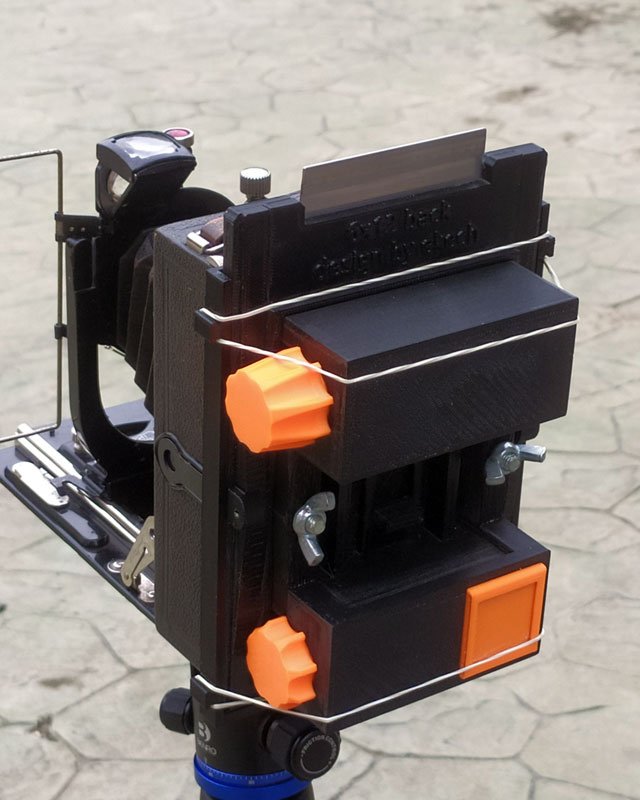
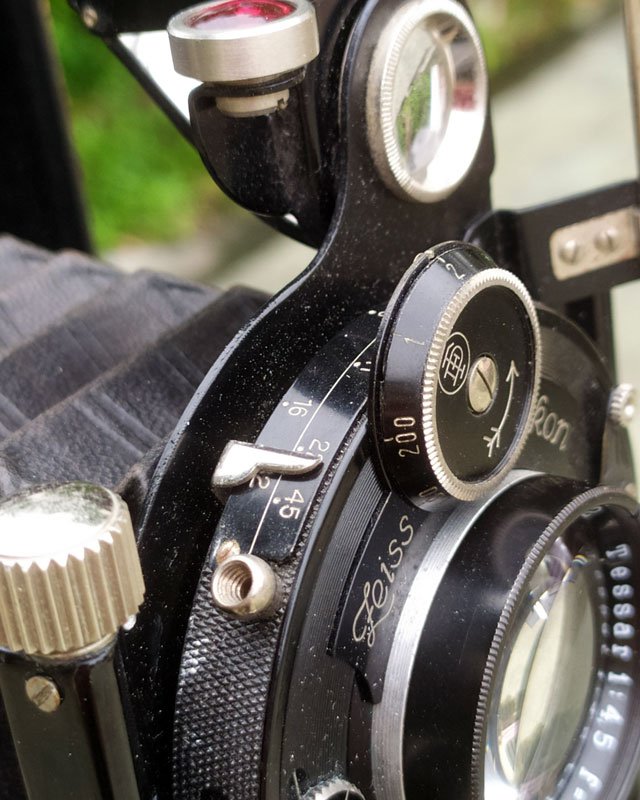
Technical Setup
-
Camera: Zeiss Ikon Tessco
-
Lens: Carl Zeiss Jena Tessar 13.5cm f/4.5
-
Film: KODAK Panatomic-X AERECON II Film 3412 (ISO 40)
-
Back Modification: Fitted with a custom 3D-printed film back designed to adapt modern 120 roll film to the Tessco body, producing approximately 6x12 cm panoramic negatives.
-
Exposure: f/22 | 1/2 second (mounted on a tripod)
-
Development: 510 Pyro developer at a 2:500 dilution ratio, 20°C for 35 minutes
Handling & Control
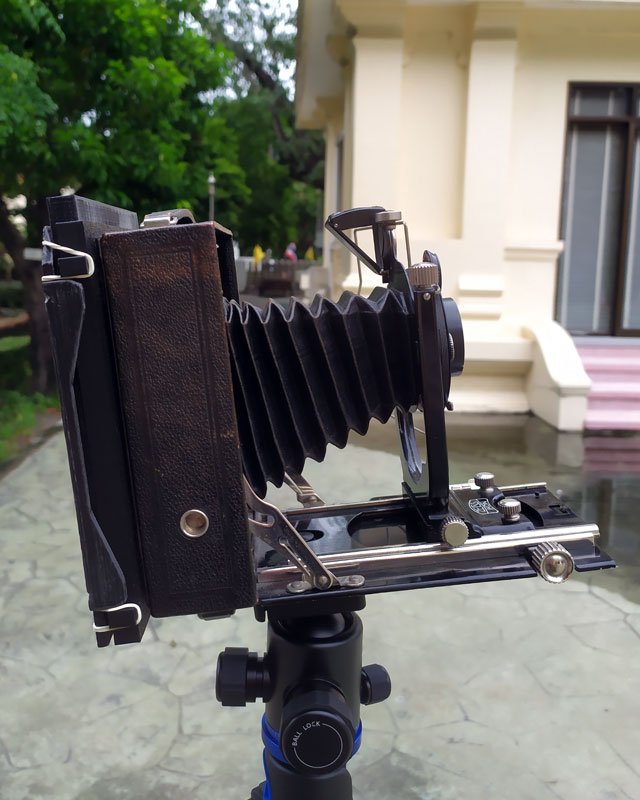
The Zeiss Ikon Tessco's Rise/Fall mechanism allows the lens standard to be raised, capturing building tops while keeping vertical lines parallel to prevent keystoning. During this field test, after reaching the maximum rise limit, tilting the camera upward slightly was still required to frame the entire structure.
Image Analysis
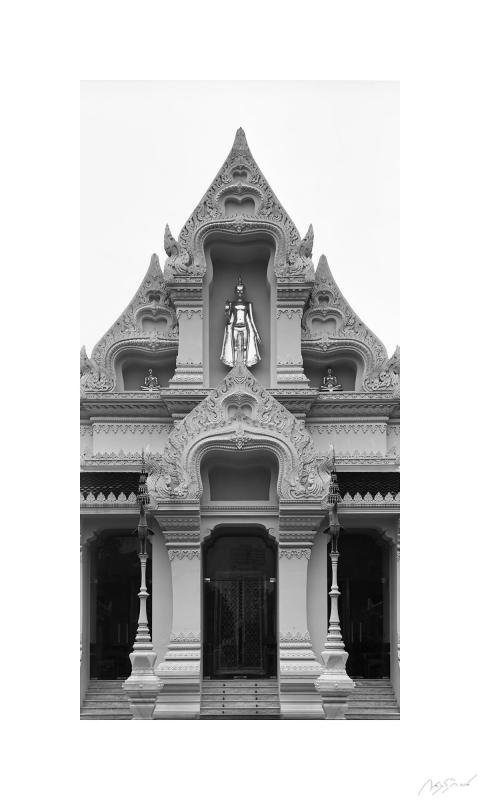 (Post-processed in Adobe Photoshop)
-
Micro-contrast & Sharpness: The combination of the Carl Zeiss Jena Tessar 13.5cm lens and the ultra-fine-grained KODAK Panatomic-X AERECON II film delivered impressive resolution, capturing fine details from stucco patterns to Buddha statues.
-
Highlight & Shadow Control: Development with 510 Pyro (a staining developer) preserved highlight details effectively while retaining depth and texture in the shadows beneath the archways.
-
Tonal Gradation: Smooth, subtle mid-tone transitions characteristic of vintage large-format imaging.
Conclusion
Zeiss Ikon Tessco is more than just a photographic tool—it is a piece of historical German engineering. When paired with custom adaptations like a 3D-printed back and specialized film processing, this nearly century-old camera remains fully capable of producing striking, high-quality images today.

Comments powered by CComment