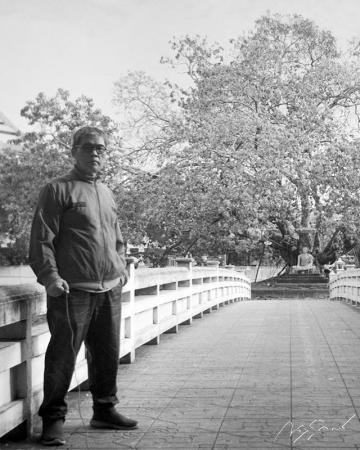
Welcome to Web
nuttakit.com
I created this website to tell stories that I like and find interesting, especially stories about photography with film cameras as an amateur. That is, telling stories about the use of several types of film cameras as far as I know and use, various camera settings that will allow you to take pictures as you want, and others in a non-academic way because I don't know much about the technical side. I focus on practicality, using cameras, and taking pictures to get superior results. I hope that those who visit will benefit from this. If you have any suggestions or criticisms, please let me know immediately. It would be greatly appreciated. Send a message to nuttakit@nuttakit.com
Thank you.
Natthakit Sukcharoensuk
April 14, 2024

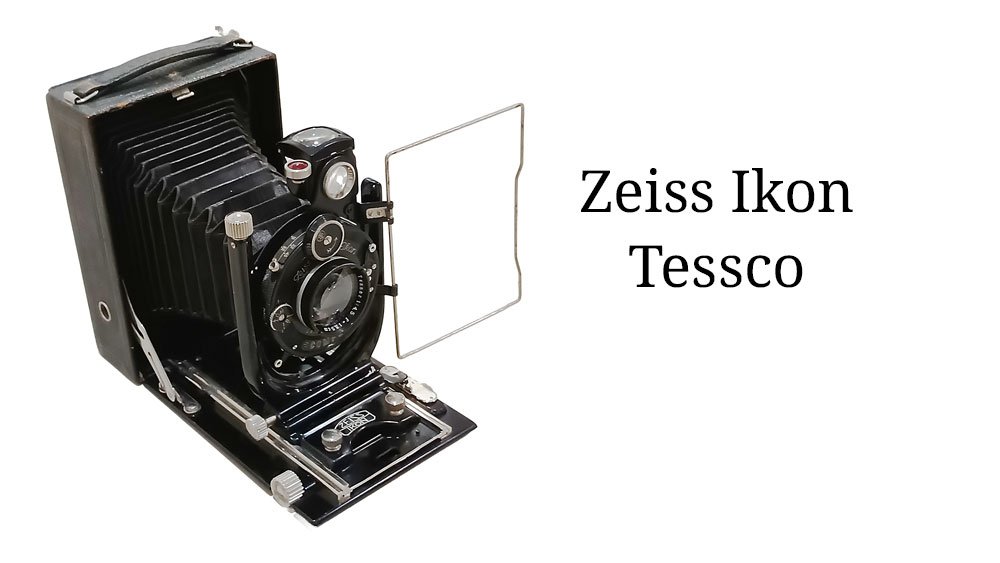
1927 Zeiss Ikon Tessco
- Details
- Camera
- Folding Camera
Zeiss Ikon Tessco: Experiencing the Charm of a Classic Folding Camera
When discussing classic German pre-WWII folding cameras, Zeiss Ikon stands out as a legendary brand. Featured here is the Zeiss Ikon Tessco, a large-format (9x12 cm) bellows plate camera showcasing the exquisite craftsmanship of the 1920s–1930s.
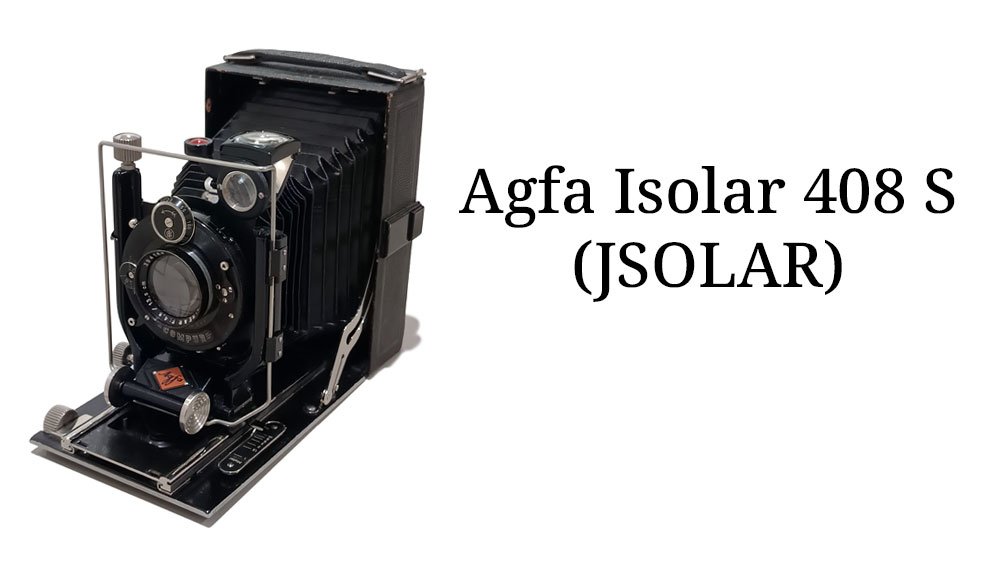
1928 Agfa Isolar (Jsolar) 408 S
- Details
- Camera
- Folding Camera
Agfa Isolar (Jsolar) 408 S
A Legendary 1920s Plate Camera: The Charm of Fine German Craftsmanship
Getting to Know the Agfa Isolar 408
Plate Cameras and Field Cameras might not be very familiar to younger generations of photographers today, as modern interest largely revolves around 35mm film. However, back in the early 1930s, plate film cameras dominated the photography market.
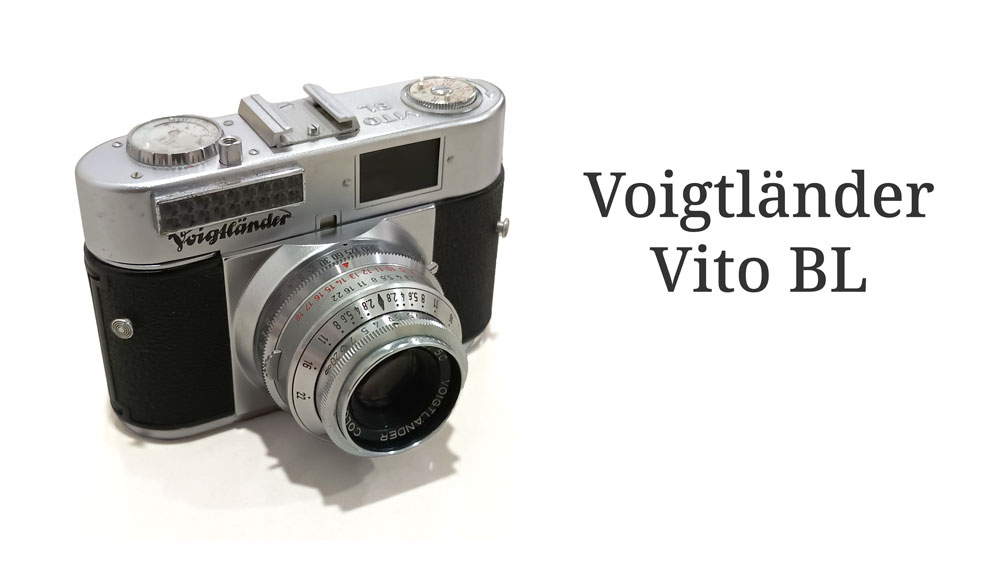
1956 Voigtlander Vito BL
- Details
- Camera
- 35 mm. Camera
Voigtländer Vito BL (1956) – A German Classic with Built-In Light Meter
When talking about 35mm viewfinders/rangefinders from the 1950s—renowned for their durable build quality, exquisite German engineering, and sleek design—the Voigtländer Vito BL stands out as a top contender among collectors and film enthusiasts. Introduced in 1956, this model was built upon the success of the Vito series, packed with features that make it even more versatile.
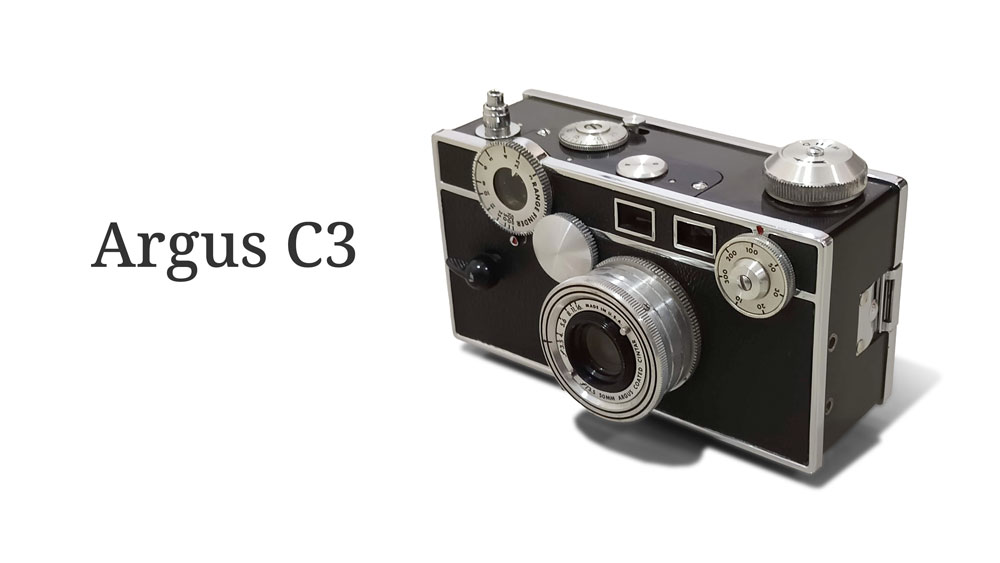
1949 Argus C3
- Details
- Camera
- 35 mm. Camera
Argus C3 ("The Brick") – America’s Iconic Rangefinder Camera
The Argus C3 is one of the most popular 35mm film cameras in history, produced by Argus in Ann Arbor, Michigan, USA (from 1939 to 1966). Recognized by its heavy, rectangular Bakelite body trimmed with chrome, it earned the iconic nickname "The Brick."
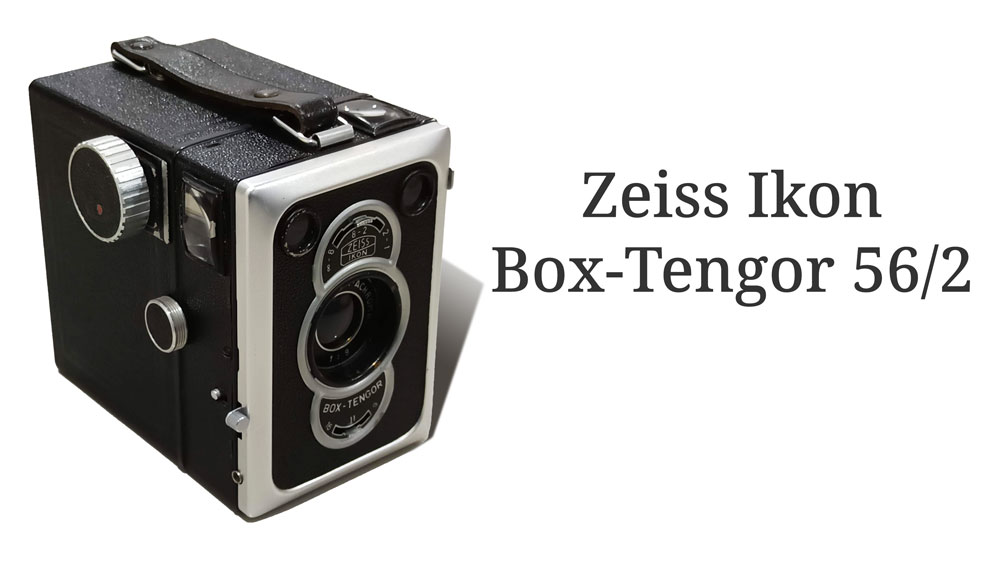
1951 Zeiss Ikon Box Tengor 56/2
- Details
- Camera
- Box Camera
Zeiss Ikon Box Tengor 56/2
“The King of Box Cameras”
When people think of classic box cameras, they often imagine simple point-and-shoot mechanisms with few adjustable settings. However, the Zeiss Ikon Box Tengor 56/2 (the final revised model produced between 1951 and 1956) stands out as a refined, fully featured box camera that was well ahead of its time.
Page 1 of 3
