
Welcome to Web
nuttakit.com
I created this website to tell stories that I like and find interesting, especially stories about photography with film cameras as an amateur. That is, telling stories about the use of several types of film cameras as far as I know and use, various camera settings that will allow you to take pictures as you want, and others in a non-academic way because I don't know much about the technical side. I focus on practicality, using cameras, and taking pictures to get superior results. I hope that those who visit will benefit from this. If you have any suggestions or criticisms, please let me know immediately. It would be greatly appreciated. Send a message to nuttakit@nuttakit.com
Thank you.
Natthakit Sukcharoensuk
April 14, 2024

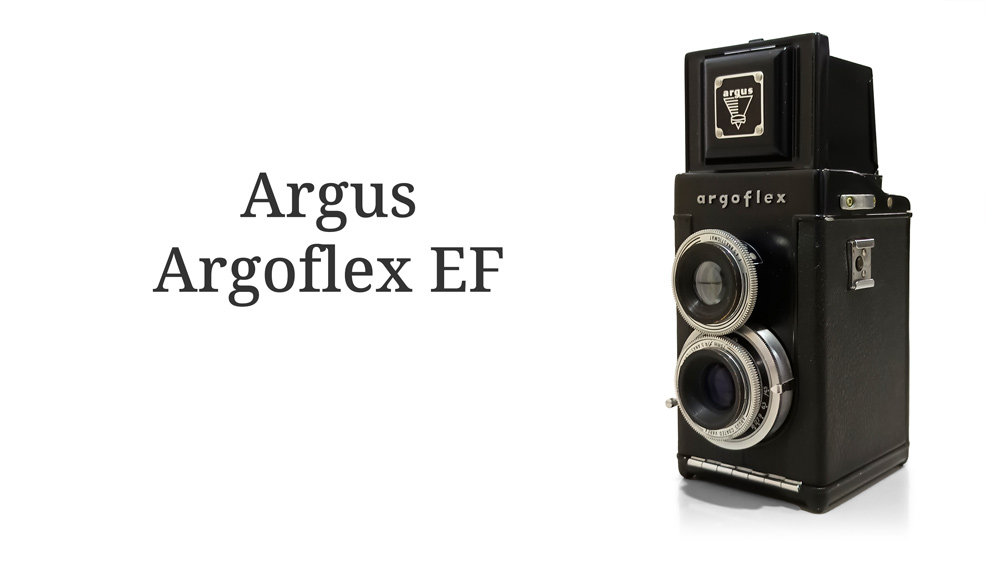
1948 Argus Argoflex EF
- Details
- Camera
- Twin Lens Reflex Camera
Argus Argoflex EF (Classic Vintage TLR Camera)
The Argus Argoflex EF is a classic Twin-Lens Reflex (TLR) film camera produced by Argus in the United States between 1948 and 1951. As an upgrade to the earlier Model E, the EF model added built-in flash synchronization and refined design elements for a more modern aesthetic.
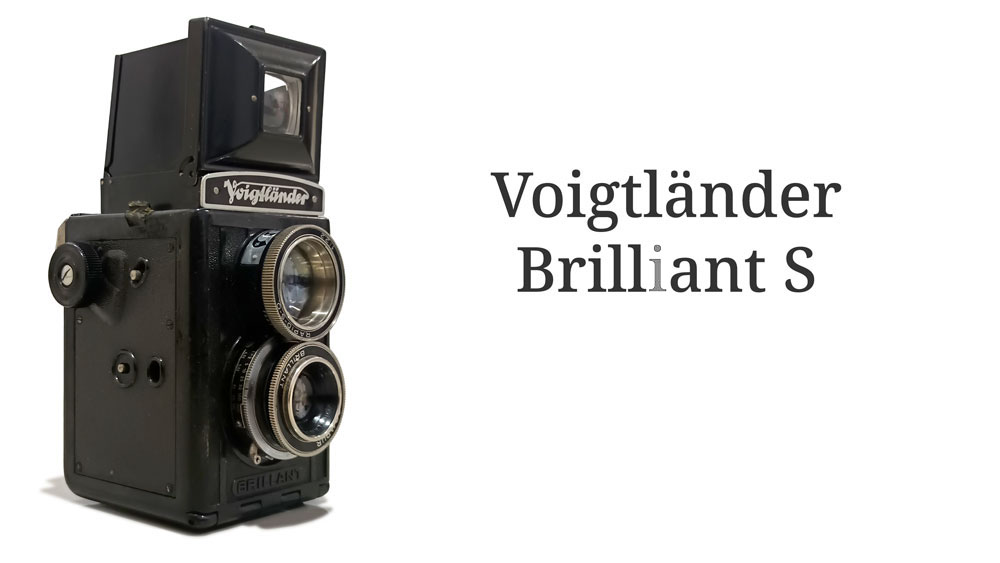
1938 Voigtländer Brillant S
- Details
- Camera
- Twin Lens Reflex Camera
Voigtländer Focusing Brillant (Brillant S)
A Classic Vintage TLR Legend from Germany
The Voigtländer Focusing Brillant (commonly known as the Brillant S) is an iconic Twin Lens Reflex (TLR) camera manufactured by Voigtländer in Germany during the late 1930s. This model represents a major upgrade from the original Brillant series, transitioning from a zone-focus system to a true focusing mechanism using a dedicated viewing lens and focusing ring.
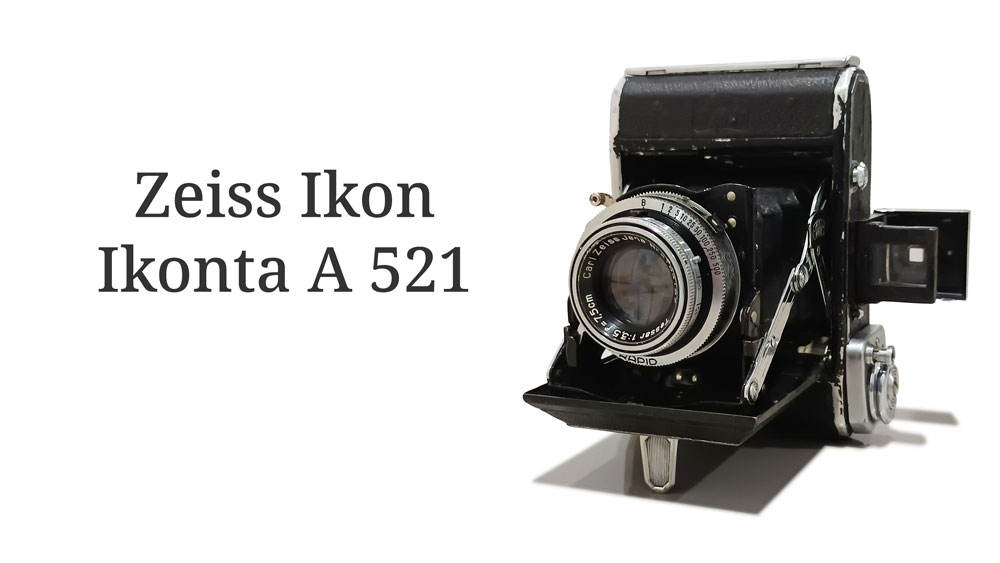
1938 Zeiss Ikon Ikonta A 521
- Details
- Camera
- Folding Camera
Zeiss Ikon Ikonta A 521 (6x4.5)
The Zeiss Ikon Ikonta A 521 is a compact folding camera manufactured by Zeiss Ikon in Germany. Renowned for its classic design, precise mechanics, and high-quality optics, it is an ideal piece for enthusiasts who appreciate the timeless charm of analogue film photography.
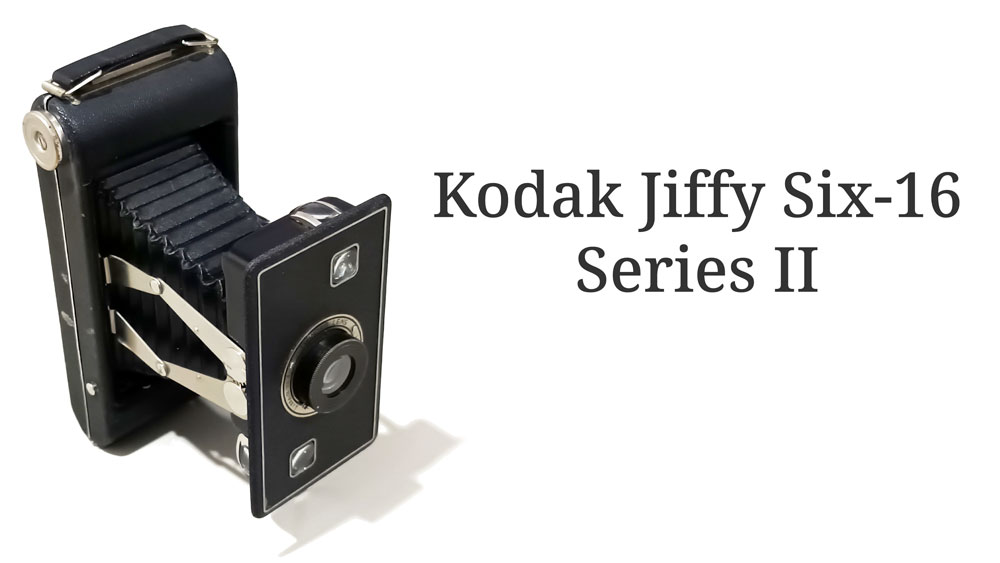
1937 Kodak Jiffy Six-16 Series II
- Details
- Camera
- Folding Camera
Kodak Jiffy Six-16 Series II: Vintage Charm from the 1930s–1940s
The Kodak Jiffy Six-16 Series II is a folding camera manufactured by the Eastman Kodak Company in Rochester, New York, USA, between 1937 and 1948. The name "Jiffy" reflects its defining feature: the camera springs open, expanding its bellows instantly at the touch of a button, making it ready to shoot in a jiffy.
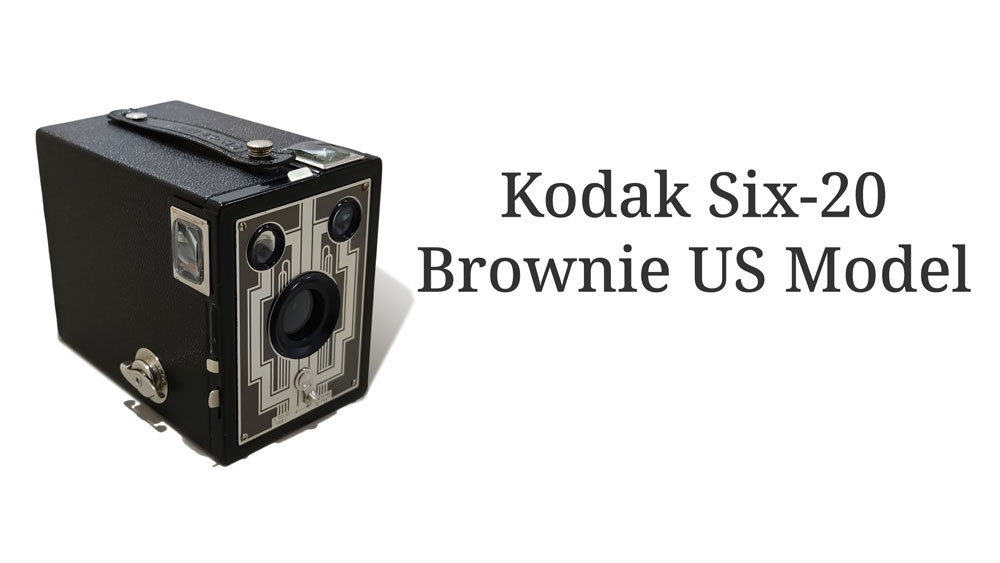
1933 Kodak Six-20 Brownie US Model
- Details
- Camera
- Box Camera
Kodak Six-20 Brownie (US Model)
A classic Art Deco style box camera released by the Eastman Kodak Company in the United States between 1933 and 1941. It stands as one of the most popular models in the Brownie family, beautifully reflecting the geometric design aesthetics of the 1930s with its silver-and-black front plate.
Page 2 of 3
